
How Long Do Concrete Pools Last? Lifespan, Maintenance, and When to Renovate
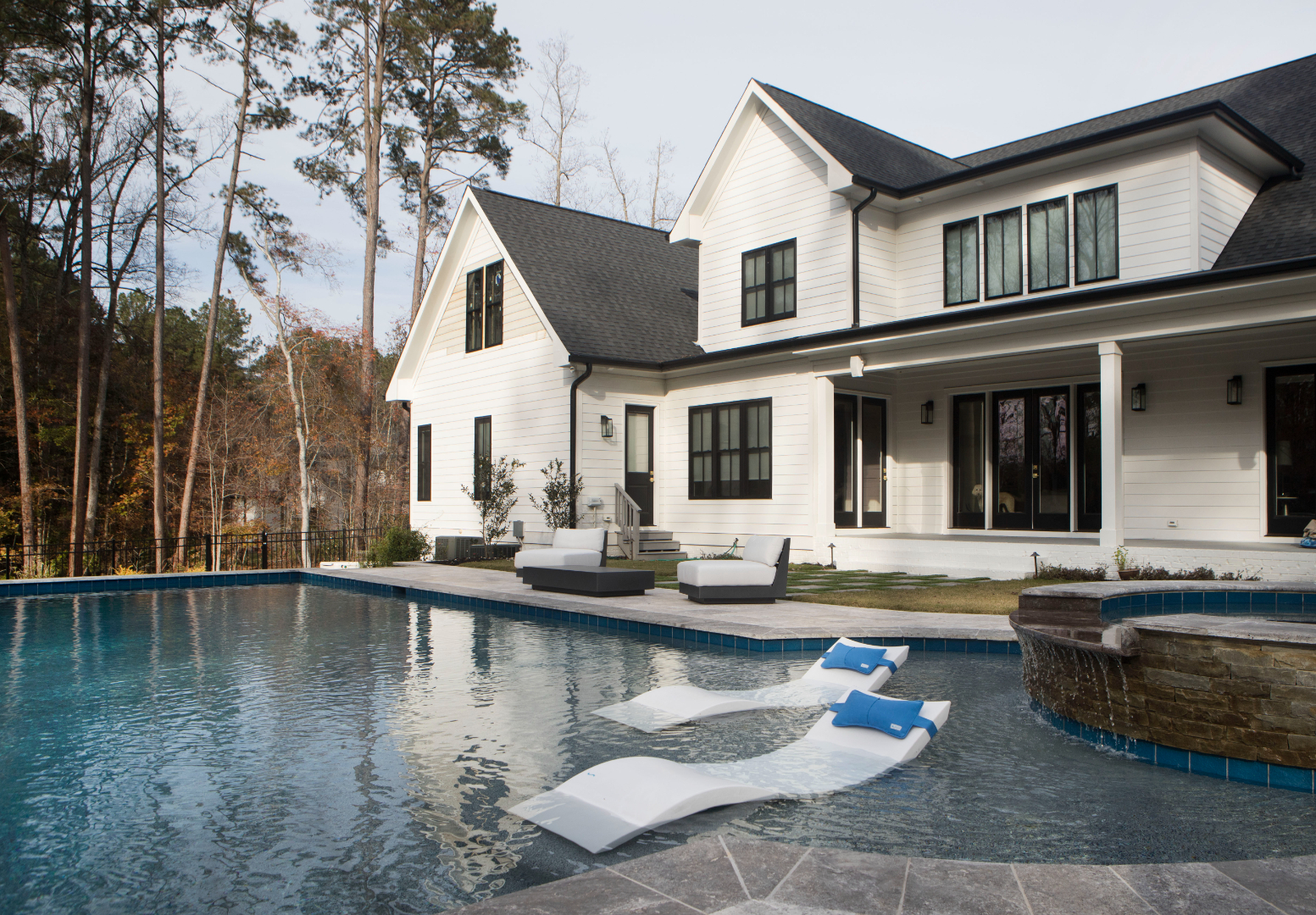
How Long Do Concrete Pools Last? Lifespan, Maintenance, and When to Renovate
- May 14, 2026
- Uncategorized
When homeowners start planning for an inground pool, one of the first questions they usually ask is how long the pool will actually last. Since a swimming pool is a significant investment, durability matters just as much as appearance. Most families want a pool that not only looks beautiful when it’s first installed, but also continues performing well for decades.
Concrete pools have earned a reputation for being one of the longest-lasting pool options available. When they are properly designed, built, and maintained, concrete pools can remain structurally sound for 50 years or more. In many cases, the pool shell itself can outlast several rounds of cosmetic upgrades and equipment replacements.
At Rising Sun Pools, we’ve spent more than five decades building and renovating pools throughout the Triangle area of North Carolina. During that time, we’ve seen firsthand how quality construction and regular maintenance can dramatically extend the life of a pool. We’ve also helped many homeowners renovate older pools so they feel modern and refreshed again without needing a complete rebuild.
Why Concrete Pools Have Such a Long Lifespan
Concrete pools are known for their strength because they are built directly on-site using reinforced materials. Unlike fiberglass or vinyl liner pools, concrete pools are custom constructed to fit the homeowner’s property and design goals.
The process starts with a framework of steel rebar that supports the structure. Builders then apply either gunite or shotcrete to form the shell of the pool. Once cured, the concrete becomes extremely durable and capable of handling years of use, changing weather conditions, and shifting ground.
This type of construction gives homeowners flexibility in both design and longevity. Concrete pools can be built in nearly any size, depth, or shape, making them ideal for custom outdoor spaces.
Just as importantly, concrete pools can be updated over time. Even if finishes or equipment eventually wear out, the underlying structure often remains solid for decades.
What Parts of a Concrete Pool Need Attention Over Time?
Although the concrete shell can last for generations, some parts of the pool naturally wear down sooner than others. Understanding which components may eventually need repair or replacement helps homeowners plan for long-term ownership.
Here’s a general idea of what to expect:
- Concrete shell: often 50 years or longer
- Interior finish or plaster: typically 10 to 20 years
- Tile and coping: around 15 to 25 years
- Pool pumps, heaters, and filters: generally 8 to 15 years
- Decking lifespan: depends on material and maintenance
The good news is that many of these updates are considered routine renovations rather than major structural repairs.
Factors That Can Affect the Life of a Concrete Pool
Not every pool ages the same way. Several factors play a role in how long a concrete pool remains in excellent condition.
Quality Construction From the Beginning
The quality of the installation has a major impact on long-term durability. Proper excavation, plumbing, steel reinforcement, drainage planning, and curing all matter during the construction process.
Pools built by experienced contractors are less likely to develop serious structural problems later. Small shortcuts during construction can eventually lead to cracks, leaks, or costly repairs.
That’s one reason homeowners often choose established pool builders with a long history in the industry. At Rising Sun Pools, we’ve been building pools in North Carolina since 1972, and our team understands the challenges that local soil conditions and seasonal weather can create.
Water Chemistry Makes a Big Difference
Many pool owners are surprised to learn how much water chemistry affects the lifespan of a pool. Water that is improperly balanced can slowly damage pool surfaces, tile, and equipment over time.
If the water becomes too acidic or too alkaline, it can contribute to surface staining, rough plaster, scaling, corrosion, and equipment wear.
Routine water testing and regular chemical balancing help protect the pool and reduce unnecessary wear.
When Is It Time to Renovate a Concrete Pool?
Even a well-built concrete pool will eventually show signs of age. Fortunately, many issues can be solved with renovation work rather than replacing the entire pool.
Some of the most common signs that a renovation may be needed include:
Worn or Rough Pool Surfaces
Pool finishes naturally wear down over time. If the plaster feels rough, looks stained, or has visible cracks, resurfacing may be recommended.
A new finish can completely refresh the appearance of the pool while also helping protect the structure underneath.
Outdated Appearance
Design trends change over the years, and older pools sometimes begin to feel dated. Many homeowners choose to renovate so they can modernize their backyard space with updated tile, lighting, water features, tanning ledges, or new decking materials.
Older Pool Equipment
Pool technology has improved significantly in recent years. Older systems are often less energy efficient and may require more maintenance.
Upgrading to newer pumps, filters, or automation systems can improve performance while reducing energy costs.
Water Loss or Leaks
If the pool is consistently losing water, it may indicate a leak somewhere in the plumbing or structure. A professional inspection can help determine the source of the problem before it worsens.
Cracked Decking or Coping
The areas surrounding the pool matter too. Cracked decking, loose coping, or damaged tile can affect both safety and appearance.
Many renovation projects include updates to the entire outdoor living area so everything feels cohesive and refreshed.
A Long-Term Investment for Your Backyard
Concrete pools are often chosen because they combine durability, flexibility, and long-term value. While the initial investment may be higher than some other pool types, many homeowners appreciate the ability to customize the design and continue updating the space over time.
With proper maintenance and occasional renovations, a concrete pool can remain a centerpiece of the backyard for decades.
For homeowners throughout Raleigh, Cary, Apex, Chapel Hill, Wake Forest, Garner, and surrounding communities, Rising Sun Pools has been helping families design, build, and renovate concrete pools since 1972. Our team takes pride in creating pools that are built to last while giving homeowners a space they can enjoy for years to come.
Recent Posts
- Signs Your Pool Has a Leak (And What to Do Next)
- Luxury Concrete Pool Features That Add Value to Your Home
- Is a Concrete Pool Worth It?
- What to Expect During a Concrete Pool Build: A Step-by-Step Timeline
- How Summer Storms Affect Your Pool Water (and What to Do After It Rains)
- How to Prepare Your Backyard for a Concrete Pool Installation
- How Long Do Concrete Pools Last? Lifespan, Maintenance, and When to Renovate
- Is Your Pool Ready for Peak Summer? A June Maintenance Checklist
- Can You Add Features to an Existing Concrete Pool?
- Best Concrete Pool Shapes for North Carolina Backyards