
When to Resurface Your Concrete Pool
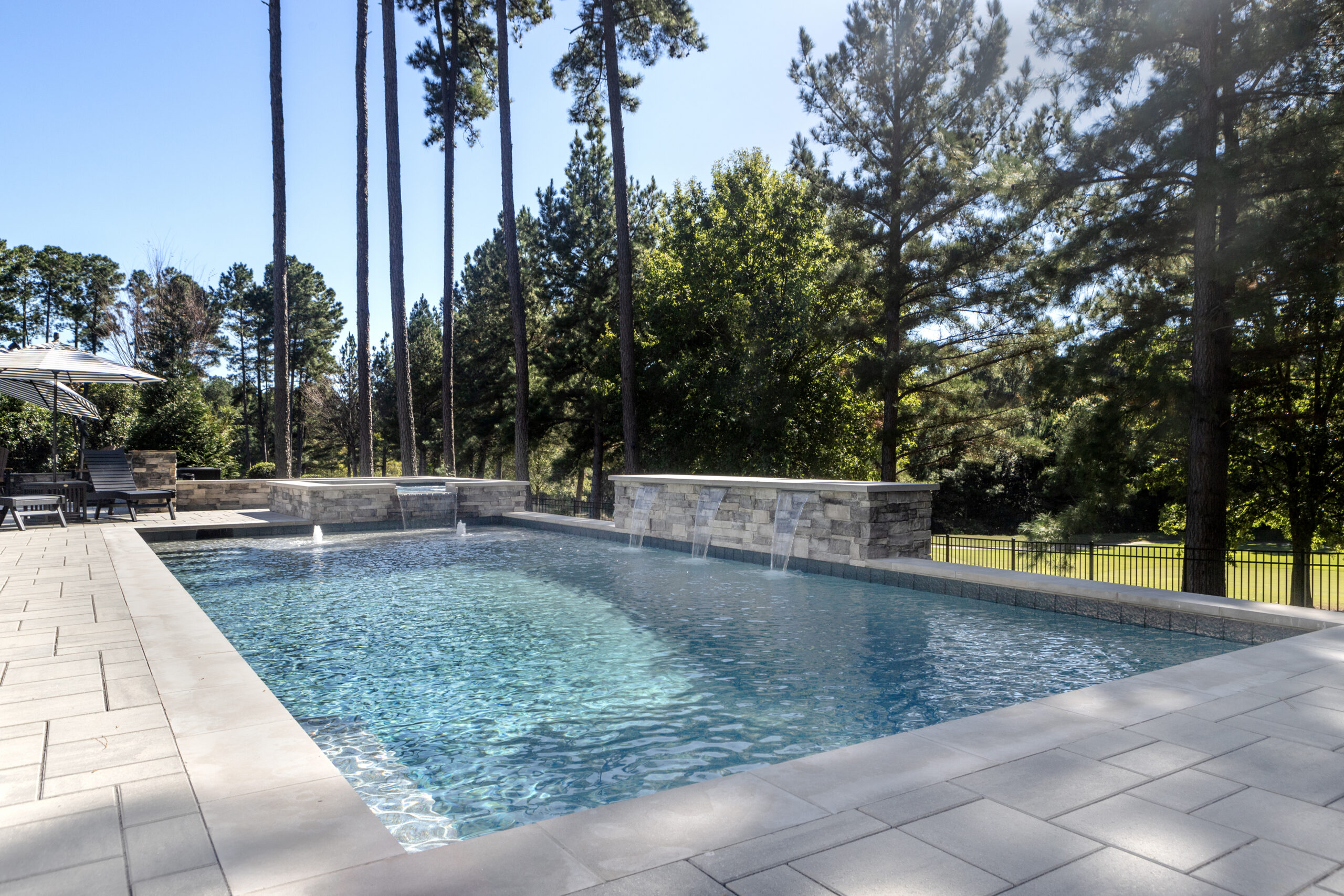
When to Resurface Your Concrete Pool
- March 30, 2026
- Pools, Uncategorized
A concrete pool is one of the most durable and customizable pool options available. With proper construction and maintenance, it can provide decades of enjoyment for your family. However, even the strongest materials eventually show signs of wear. Over time, the interior surface of a concrete pool will begin to age, making resurfacing an important part of long-term pool ownership.
Knowing when to resurface your pool can help prevent bigger problems and keep your backyard oasis looking and performing its best. If you own a concrete pool, there are key signs that it may be time to consider resurfacing.
Understanding the Pool Surface
Concrete pools are built using a steel rebar framework that is covered with either gunite or shotcrete. Once the structural shell is complete, a finishing layer is applied to create the smooth interior surface you see and feel.
This finish can include plaster, quartz blends, or pebble-style materials designed to enhance durability and appearance. These finishes also influence the color of the water, giving pools anything from a bright blue to a deep lagoon look.
While the underlying concrete shell is extremely strong, the surface finish naturally wears down over time due to water chemistry, sunlight, and daily use.
Most pool finishes last somewhere between 10 and 15 years, though the exact lifespan depends on the type of finish, maintenance habits, and environmental conditions.
Rough or Uncomfortable Surfaces
One of the most noticeable signs that a pool needs resurfacing is a rough texture. When the surface begins to wear down, it can feel coarse or abrasive underfoot.
This can make swimming less comfortable and may even cause small scrapes on swimmers’ feet or hands.
A properly finished pool surface should feel smooth and comfortable to the touch. If the interior feels noticeably rough compared to when it was first installed, resurfacing can restore the surface and improve the overall swimming experience.
Stains That Won’t Go Away
Pool stains can come from many sources, including minerals in the water, leaves and organic debris, or chemical imbalances.
Many stains can be removed through professional cleaning or water treatment. However, if stains have penetrated deep into the surface material, they may become permanent.
Dark spots, discoloration, or blotchy areas that don’t respond to cleaning are often signs that the surface finish itself is deteriorating. When this happens, resurfacing may be the most effective way to restore the pool’s appearance.
A new finish not only removes the stains but also gives homeowners an opportunity to refresh the pool’s look with updated materials or colors.
Peeling, Flaking, or Etching
Another clear sign that resurfacing may be needed is visible damage to the pool’s finish. Over time, the surface may begin to chip, peel, or flake away.
You might notice small pieces of plaster collecting in the pool or areas where the finish appears thin or uneven. This type of deterioration often occurs when the finish has simply reached the end of its lifespan.
Chemical imbalances in the water can also accelerate surface damage. Water that is too acidic can slowly eat away at the finish, leaving behind etched or pitted areas.
If this type of wear becomes widespread, resurfacing is usually the best solution to restore the pool’s protective layer.
Frequent Water Loss
Small amounts of water loss can happen in any pool due to evaporation, especially during hot summer months. However, if you find yourself constantly adding water to maintain the proper level, it may indicate a deeper issue.
While leaks can occur in plumbing or equipment, they can also develop in the pool’s surface as it ages. Tiny cracks or deteriorated areas in the finish may allow water to seep through.
Resurfacing helps seal and protect the interior surface, reducing the risk of further water loss and protecting the underlying structure.
Your Pool Is Simply Showing Its Age
Sometimes resurfacing isn’t triggered by damage but by age and appearance. After many years of use, even well-maintained pools can begin to look dull or outdated.
If your pool’s surface has faded or lost its original luster, resurfacing can completely transform the look of your backyard.
Modern finishes offer a wide range of textures and colors that weren’t always available in older pools. Homeowners often use resurfacing as an opportunity to upgrade the visual appeal of their pool and better match new landscaping or outdoor living features.
The Resurfacing Process
Resurfacing a concrete pool starts with removing the old, worn finish so a new surface can be applied. The pool is first drained, and the existing interior is cleaned and prepped. Any small cracks or imperfections are addressed before the new finish is installed.
Once the surface is ready, the new interior coating is applied. The exact timeline can vary depending on the type of finish being used, but most resurfacing projects take a few days to complete.
After the new surface is installed, the pool is refilled and the water chemistry is carefully balanced so the finish can cure the right way.
Although resurfacing is a fairly involved project, it’s obviously much simpler than rebuilding the entire pool. Just as important, it refreshes the pool’s appearance and helps protect the structure so you can continue enjoying it for many more years.
Protecting Your Investment
A concrete pool is a long-term investment in your home and lifestyle. Keeping the surface in good condition not only maintains the pool’s appearance but also protects the underlying structure from damage.
Routine maintenance, balanced water chemistry, and professional inspections can help maximize the life of your pool finish. However, when signs of wear begin to appear, resurfacing is often the best way to restore the pool and keep it functioning properly.
For homeowners throughout North Carolina, Rising Sun Pools has been helping families maintain and upgrade their pools for more than 50 years. As a locally owned and family-operated company, we understand how important your pool is to your home and your summers.
If your concrete pool is showing signs of aging, resurfacing may be the perfect way to bring it back to life and ensure many more years of enjoyment in your backyard. Contact us today!
Recent Posts
- Signs Your Pool Has a Leak (And What to Do Next)
- Luxury Concrete Pool Features That Add Value to Your Home
- Is a Concrete Pool Worth It?
- What to Expect During a Concrete Pool Build: A Step-by-Step Timeline
- How Summer Storms Affect Your Pool Water (and What to Do After It Rains)
- How to Prepare Your Backyard for a Concrete Pool Installation
- How Long Do Concrete Pools Last? Lifespan, Maintenance, and When to Renovate
- Is Your Pool Ready for Peak Summer? A June Maintenance Checklist
- Can You Add Features to an Existing Concrete Pool?
- Best Concrete Pool Shapes for North Carolina Backyards